Autofocus Tracking Modes: Zone vs Subject Detection
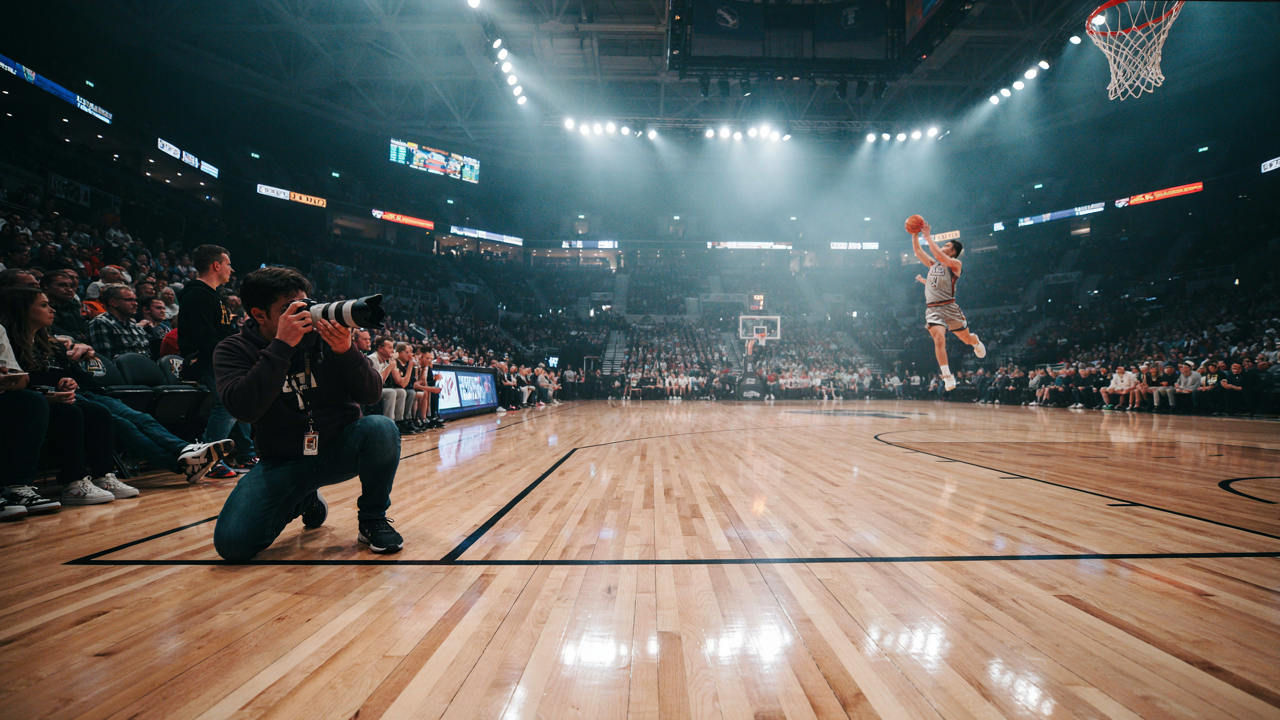
Fast action punishes slow focus decisions. Your autofocus tracking modes control what the camera chases once you half-press the shutter or hold a back button, and the wrong pick fills a card with sharp backgrounds and soft athletes.
Brands label these modes differently, but they fall into three families: zone, tracking, and subject detection. Each one trades manual control for convenience. Each one also fails in its own way.
Matching the family to the play is the real skill. The sections below cover setup, game situations, and the mistakes that cost frames.
Step-by-Step Guide
Start with continuous autofocus, because single-shot focus locks once and stops following a moving athlete. Then work through these steps before the game starts.
- Set the focus mode to continuous so the camera keeps refocusing while you hold the shutter or focus button.
- Choose an area mode. Zone uses a cluster of points that you steer over the action. Tracking latches onto the subject you pick and follows it across the frame. Subject detection looks for people on its own.
- Turn on subject detection and choose the people setting if your body offers it. Menu names change by brand and model, so check your manual.
- Set any tracking sensitivity or subject-switching option to the middle, then change it only after reviewing frames.
- Pick a medium zone size to begin. Shrink it when players crowd together, and enlarge it when an athlete moves unpredictably across the frame.
- Test on moving people during warm-ups and check the results at 100 percent zoom.
Zone gives you the most control, so it's a sensible default while you learn how the other autofocus tracking modes behave on your body.
Practical Applications
Think about the play before you pick a mode. A basketball drive to the rim crosses open floor, so subject detection can hold a single player well. A crowded scrum under the basket is different, and zone keeps focus where you aim it.
Sprinters running straight at you suit tracking mode, since one athlete moves along a clear path. Volleyball at the net, with blockers and hitters overlapping, often pulls detection onto the wrong body. Our guide to capturing the best sports moments covers how timing and framing work alongside these choices.
Soccer sits in between. Players spread across wide space, so detection or tracking can carry a midweek college match until a crowd forms around the ball. At that point, zone is the safer call.
Football works the same way at the college and pro level. Open-field runs favor detection or tracking, while line play favors zone.
Tips & Tricks
Put the switch under your thumb
Assign area-mode changes to a custom button so you can drop from subject detection to zone mid-play without opening a menu. The setup is covered in our custom function buttons guide.
Leave room around the athlete
Autofocus tracking modes need a starting point and some space to work. Frame a little loose, then crop later.
Review a burst at full zoom
Check the first, middle, and last frames at 100 percent. If focus drifted, the mode or the sensitivity needs changing, not your timing.
Sample Scenario
Say you're covering a college volleyball match from courtside with a telephoto lens. Start in zone with a medium cluster over the hitter's approach, continuous autofocus, around f/2.8, 1/1000 second, and ISO 3200. Those numbers are a starting point for a dim gym, not a rule. A fast shutter freezes the hitter's arm, and a wide aperture gives the autofocus system more light to read.
When the ball goes to a defender across open floor, switch to subject detection and let it follow the defender. Go back to zone once the rally returns to the net, where blockers and hitters overlap again.
Key Do's for Effective Usage
- Pick the mode before the play develops.
- Zone works best when several athletes overlap.
- The athlete's head and torso should stay inside the focus area.
- Review a test burst at 100 percent before the game.
- Keep your most-used mode switch on a button you can reach without looking away from the play.
Common Mistakes to Avoid
- Leaving subject detection on in a crowded scrum, where focus jumps between players.
- Single-shot focus on a moving athlete, which locks once and loses them after the first frame.
- A zone so wide that the background steals focus.
- Changing three settings at once hides what fixed the problem.
Troubleshooting & FAQs
Most missed frames trace back to a mode that doesn't fit the play. These quick answers cover the common problems.
What are the main autofocus tracking modes for sports?
Most cameras offer a zone mode, a tracking mode that follows a subject you choose, and subject detection that finds people automatically. Brands use different labels, so check your manual for the exact names.
Which of the autofocus tracking modes works best for fast action?
No single mode fits all situations. Zone suits crowded plays, tracking suits one athlete on a clear path, and subject detection suits open space where the athlete stays visible.
Why does my camera focus on the wrong player?
Subject detection can jump to whoever is closest or easiest to see. Switch to zone and place the cluster over your athlete, or shrink the area so fewer players fit inside it.
Do I need a newer camera body for subject detection?
It's more common on recent bodies, and older ones may only offer zone and tracking. The autofocus section of your manual lists which subject types your model can recognize.
Does my lens affect focus tracking performance?
It can. Focus speed varies between lenses, and one that hunts will cost you frames in any mode. Test your lens at the distance you'll actually work from before the game.
Bringing It All Together
Zone, tracking, and subject detection each earn a place in your bag. Zone gives control in traffic, tracking follows a single athlete, and detection handles open space with little effort.
Better focus means more keepers per burst, which puts more load on your card and buffer. Our piece on camera buffer management picks up from there.