How to Launch a Photography Equipment Rental Side Business That Generates Passive Income Between Client Shoots
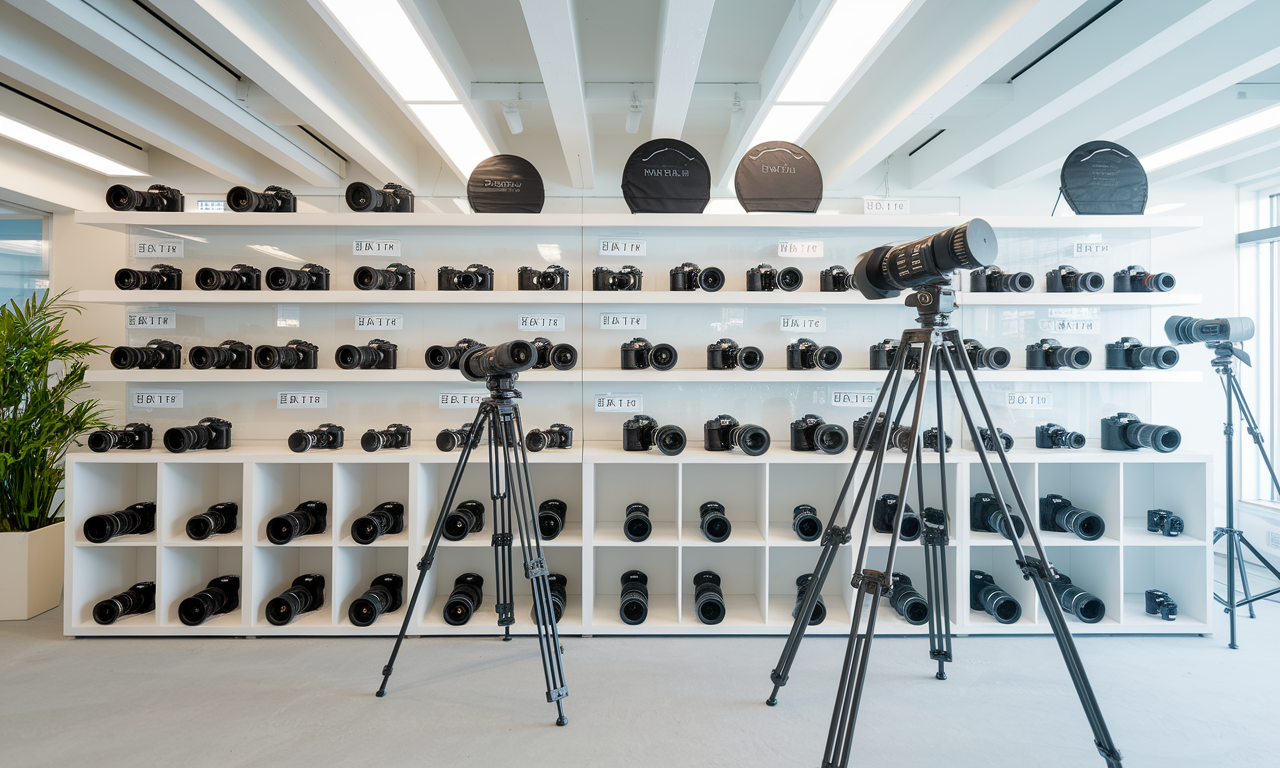
Starting a photography equipment rental side business can create steady income streams between client projects. This camera rental business model turns your unused gear into profit generators. Many photographers discover significant earnings through equipment leasing while building their primary photography services.
The photography side hustle market continues growing as more creators need access to expensive gear. Your rental marketplace position can serve fellow photographers, content creators, and hobbyists. This passive income photography approach requires minimal daily involvement once established.
Success depends on smart planning, proper equipment selection, and effective marketing strategies. The gear sharing economy offers multiple revenue opportunities for photographers ready to expand their business models.
Step-by-Step Guide
Market Research and Business Planning
Research your local photography community to identify rental demand patterns. Check existing competitors and their pricing structures. Survey potential customers about their equipment needs and budget ranges.
Create a business plan outlining your target market and pricing strategy. Define your niche focus, whether serving wedding photographers or social media creators. Set realistic income goals for your first year.
Register your business and get necessary permits or licenses. Research insurance requirements for equipment leasing in your area. Consider forming an LLC to protect your personal assets.
Equipment Selection and Inventory Management
Start with high-demand items like popular camera bodies and versatile lenses. Focus on gear that generates strong rental returns relative to purchase costs. Professional-grade equipment typically commands higher rental rates.
Build your initial inventory gradually based on market demand and available capital. Popular rental items include full-frame cameras and telephoto lenses. Consider specialty equipment like underwater housings or drone systems.
Set up inventory tracking systems to monitor equipment condition and rental history. Use spreadsheets or dedicated rental management software to track bookings. Regular equipment inspections prevent costly repairs and ensure customer satisfaction.
Pricing Strategy Development
Research competitor pricing to establish competitive rental rates for your photography equipment rental offerings. Consider daily, weekly, and project-based pricing tiers. Factor in equipment depreciation, insurance costs, and desired profit margins.
Create tiered pricing structures that encourage longer rentals and bulk bookings. Offer package deals combining cameras, lenses, and accessories at discounted rates. Set up dynamic pricing for peak seasons and high-demand periods.
Establish clear terms for damage deposits, late returns, and equipment replacement policies. Build these costs into your pricing structure to protect your investment. Consider offering loyalty discounts for repeat customers.
Legal Protection and Insurance
Secure full insurance coverage for your rental equipment and business operations. Equipment insurance protects against theft, damage, and loss during rentals. General liability insurance covers potential customer injuries or property damage.
Draft detailed rental agreements outlining customer responsibilities and liability terms. Include clauses covering equipment care, return conditions, and damage assessments. Require renters to sign agreements before equipment pickup.
Establish security deposit policies that cover potential equipment replacement costs. Consider requiring credit card authorizations for high-value rentals. Set up identity verification procedures to screen potential customers.
Practical Applications
Online Platform Integration
Build your online presence through dedicated rental websites and social media platforms. List equipment on established rental marketplaces like ShareGrid, LensRentals, or local classified sites. Create professional equipment photos with detailed specifications.
Develop a user-friendly booking system that handles reservations and payments automatically. Include calendar availability displays and real-time inventory updates. Integrate secure payment processing for deposits and rental fees.
Optimize your listings for search engines using relevant keywords and detailed descriptions. Include equipment condition reports, usage guidelines, and pickup instructions. Respond promptly to inquiries and maintain professional communication standards.
Customer Service Excellence
Establish clear communication protocols for booking confirmations and pickup arrangements. Provide detailed equipment tutorials and usage guides for complex gear. Offer technical support during rental periods when needed.
Create streamlined pickup and return processes that minimize customer wait times. Consider offering delivery services for premium rentals or bulk orders. Maintain flexible scheduling to accommodate urgent rental requests.
Build customer relationships through exceptional service and reliable equipment performance. Follow up after rentals to gather feedback and address any issues. Maintain equipment in pristine condition to ensure customer satisfaction and positive reviews.
Revenue Optimization Strategies
Track rental patterns to identify peak demand periods and adjust pricing accordingly. Monitor equipment use rates to optimize inventory investments. Focus on high-turnover items that generate consistent rental income.
Expand services to include equipment maintenance, setup assistance, and photography consultation. Partner with local photography schools and event planners for bulk rental opportunities. Consider subscription models for frequent renters.
Reinvest profits into expanding your equipment inventory based on proven demand patterns. Focus on acquiring gear that complements your existing offerings. Serve your target market needs effectively.
Tips & Tricks
Equipment Maintenance and Longevity
Establish routine maintenance schedules for all rental equipment to prevent costly repairs. Clean sensors, calibrate lenses, and check camera functions regularly. Keep detailed maintenance logs for each piece of equipment.
Invest in protective cases and storage solutions that maintain equipment condition during transport. Use silica gel packets to control humidity in storage areas. Store batteries properly to extend their operational life.
Train customers on proper equipment handling through brief orientation sessions or instructional videos. Provide written guidelines covering basic care and common issues. Document equipment condition before and after each rental.
Marketing and Customer Acquisition
Network within local photography communities through workshops, meetups, and professional associations. Attend photography trade shows to connect with potential customers. Offer introductory discounts to first-time renters.
Create educational content showing your equipment capabilities through blog posts and video demonstrations. Share customer success stories and project highlights on social media platforms. Partner with photography influencers for equipment reviews and recommendations.
Financial Management Best Practices
Track all business expenses including equipment purchases and insurance premiums for tax purposes. Use accounting software to monitor cash flow and profitability trends. Set aside funds for equipment replacement and business growth.
Calculate return on investment for each piece of equipment to guide future purchasing decisions. Consider financing options for expensive gear that can generate immediate rental income. Monitor market trends to anticipate equipment demand changes.
Establish emergency funds to cover equipment repairs and insurance deductibles. Plan for seasonal fluctuations in rental demand and adjust inventory accordingly. Consider diversifying into related services like lighting rentals or backdrop systems.
Sample Scenario
Weekend Wedding Photography Rental
Sarah, a wedding photographer, needs backup camera bodies and telephoto lenses for an outdoor ceremony. She books a Canon EOS R5, 70-200mm f/2.8 lens, and wireless flash system for a weekend rental. The total rental cost covers her equipment needs while staying within budget.
The rental includes detailed equipment manuals and protective cases. Sarah picks up the gear on Friday evening and returns it on Monday morning. All equipment functions perfectly throughout the wedding weekend.
This rental generates significant weekend revenue while the owner attends family events. The equipment earns its rental fee multiple times throughout the busy wedding season. Sarah becomes a repeat customer for future bookings.
Commercial Product Photography Project
A marketing agency needs specialized macro lenses for a week-long product catalog shoot. They rent a complete studio setup including seamless backgrounds and professional strobes. The full package meets all project requirements.
The agency appreciates the flexible rental terms and on-site setup assistance. Equipment delivery and pickup services save valuable production time. High-quality gear helps deliver exceptional client results and repeat business opportunities.
This extended rental shows how photography equipment rental businesses can serve commercial clients. The week-long booking generates substantial revenue from a single customer relationship.
Key Do's for Effective Usage
Customer Relationship Management
- Maintain detailed customer profiles with rental history and preferences
- Send booking confirmations and pickup reminders via email and text
- Offer loyalty programs and volume discounts for repeat customers
- Request customer feedback and testimonials for marketing purposes
- Follow up after rentals to ensure satisfaction
Equipment Quality Standards
- Test all equipment functionality before and after each rental
- Clean and sanitize gear thoroughly between customers
- Replace worn accessories like straps, caps, and battery grips promptly
- Calibrate autofocus systems and check exposure accuracy regularly
- Update firmware and software to maintain optimal performance
Business Operations Excellence
- Set up automated booking systems to streamline reservations
- Maintain accurate inventory tracking and availability calendars
- Establish clear pickup and return procedures with designated time slots
- Document all equipment conditions with photos and written reports
- Keep full insurance records and claim documentation
Common Mistakes to Avoid
Inadequate Insurance Coverage
Many rental business owners underestimate insurance requirements. They face significant financial losses when equipment gets damaged or stolen. Standard homeowner's policies rarely cover commercial rental activities.
Failing to require adequate security deposits leaves you vulnerable to equipment replacement costs. Some customers may damage gear accidentally or fail to return items on time. Proper deposit policies protect against these risks.
Skipping customer screening procedures can lead to problematic rentals and equipment loss. Verify customer identity and check references before releasing expensive equipment. Establish clear communication channels as well.
Poor Pricing Strategies
Setting rental prices too low prevents profitable operations and sustainable business growth. Factor in all costs including equipment depreciation and insurance. Research competitor pricing to establish competitive rates.
Overpricing equipment can drive customers to competitors. It can also discourage rentals entirely. Balance profitability with market demand and competitive positioning.
Ignoring seasonal demand patterns leads to missed revenue opportunities during peak periods. Wedding season and holiday events typically drive increased rental demand. Adjust pricing and inventory accordingly.
Neglecting Equipment Maintenance
Deferring regular maintenance and cleaning leads to equipment failures during critical customer rentals. Establish preventive maintenance schedules and stick to them consistently. Customer satisfaction depends on reliable equipment performance.
Failing to inspect returned equipment immediately can result in undetected damage. This creates disputes with subsequent renters. Check all gear thoroughly upon return and document any issues promptly.
Using outdated or obsolete equipment reduces rental demand and pricing power. Monitor industry trends and upgrade inventory to meet current customer expectations. Modern features and improved performance justify higher rental rates.
Troubleshooting & FAQs
Equipment Damage and Insurance Claims
Q: What should I do when rented equipment gets damaged during use?
Document the damage thoroughly with photos and written descriptions. Contact the customer immediately to understand what happened. Review your rental agreement terms regarding damage responsibility and insurance coverage.
Q: How do I handle customers who return equipment late?
Establish clear late return policies in your rental agreements. Charge reasonable late fees that cover potential lost revenue from subsequent bookings. Consider grace periods for legitimate emergencies while maintaining firm policies for repeat offenders.
Customer Service Challenges
Q: How can I prevent customers from booking equipment they don't know how to use?
Include experience level questions in your booking process. Provide equipment tutorials for complex gear. Offer brief training sessions for expensive or specialized equipment rentals.
Q: What's the best way to handle booking cancellations and refunds?
Develop flexible cancellation policies that balance customer needs with your business requirements. Consider partial refunds for early cancellations. Offer full refunds for cancellations made well in advance.
Business Growth and Scaling
Q: When should I expand my equipment inventory?
Expand inventory when existing equipment maintains high use rates. Focus on gear that complements your current offerings. Avoid overextending financially by growing gradually based on proven rental patterns.
Q: Should I offer delivery services for equipment rentals?
Delivery services can differentiate your business and justify premium pricing. Calculate delivery costs including time, fuel, and vehicle wear to ensure profitability. Consider minimum order amounts or delivery fees to make the service economically viable.
Bringing It All Together
Creating Your Action Plan
Start your photography equipment rental journey by conducting thorough market research. Identify your target customer base first. Assess your current gear inventory and determine which pieces could generate immediate rental income.
Secure proper insurance coverage and legal protections before accepting your first rental booking. Create professional rental agreements and establish clear policies. Build your online presence through websites and social media platforms.
Focus on exceptional customer service and equipment quality to build positive reviews. Track your financial performance closely and reinvest profits strategically. Grow your inventory and market reach over time.
Long-term Success Strategies
Build relationships within the photography community through networking events and workshops. Partner with photography schools and event planners to create steady customer pipelines. Consider expanding into related services like equipment maintenance or photography education.
Monitor industry trends and customer feedback to guide future equipment purchases. Stay current with new technology releases and assess their rental potential. Consider specializing in emerging niches like drone photography.
Remember that building a successful photography equipment rental business requires patience and dedication. Focus on providing exceptional value to customers while maintaining profitable operations. With proper planning and execution, this passive income approach can supplement your primary photography income a lot.