How to Build a Photography Insurance and Legal Protection Strategy That Safeguards Your Business
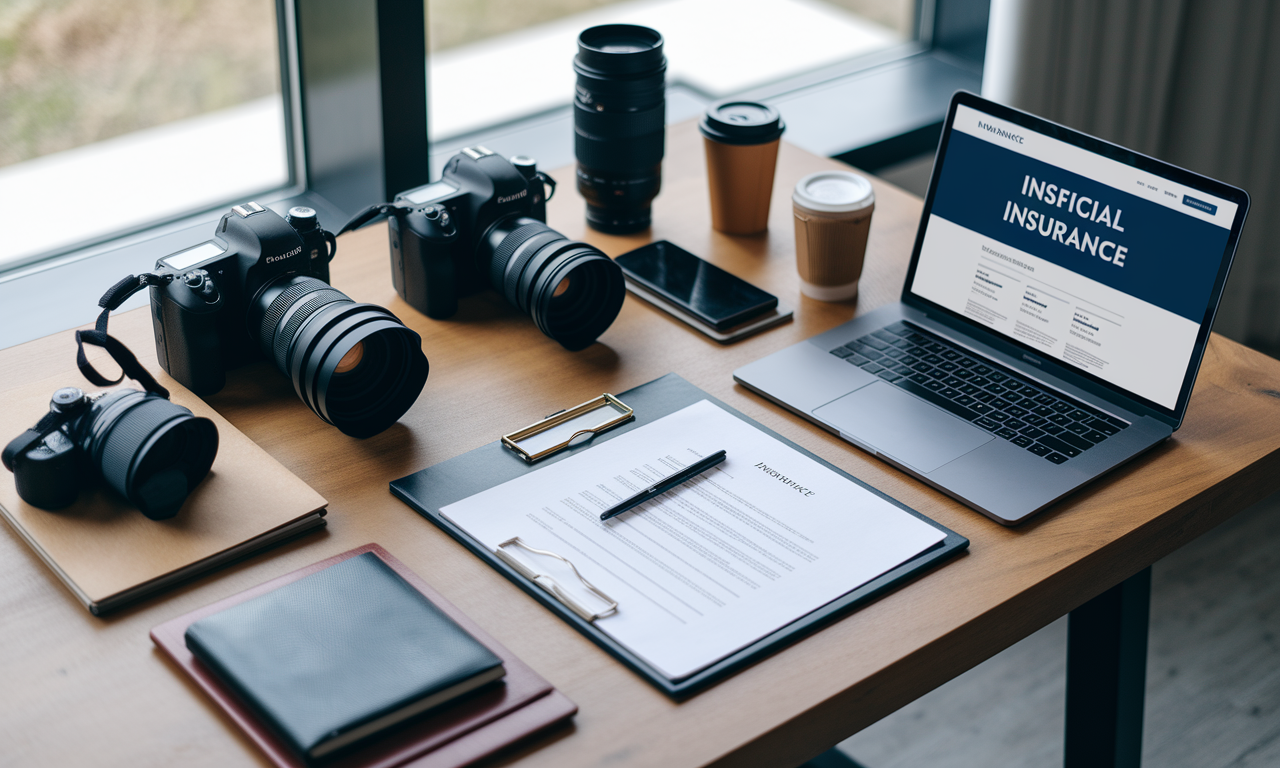
Building a solid photography insurance and legal protection strategy protects your business from major losses. Professional photographers face equipment theft, client lawsuits, and property damage risks daily. Smart business protection starts with understanding your coverage needs and finding the right policies.
Your camera gear represents a major investment that needs proper protection. Equipment coverage shields you from theft, damage, and loss during shoots. Professional indemnity insurance protects against client disputes and copyright claims.
Photography liability insurance covers accidents at shooting locations and client property damage. This guide walks you through building full business protection. You'll learn which policies photographers need most and how to set up legal safeguards.
Step-by-Step Guide
Check Your Business Insurance Needs
Start by calculating your total equipment value including cameras, lenses, and accessories. Document every piece with serial numbers and purchase receipts. Create a detailed inventory with current replacement costs.
Find your business risks based on your photography style and clients. Wedding photographers face different liability risks than studio portrait photographers. Consider location hazards, client interactions, and equipment transport needs.
Review your current coverage including homeowner's or renter's insurance policies. Most personal policies exclude business equipment and professional activities. Check your auto insurance for equipment coverage during transport.
Choose the Right Camera Equipment Insurance
Equipment insurance covers your gear against theft, damage, and loss worldwide. Look for policies that cover full replacement cost without depreciation. Check if coverage includes accessories like memory cards and batteries.
Compare deductibles and coverage limits across different insurers. Some policies offer equipment rental coverage while yours is being repaired. Others include newly purchased equipment automatically for short periods.
- Worldwide coverage for travel and destination shoots
- No depreciation on equipment replacement
- Coverage for theft from vehicles and hotel rooms
- Protection against accidental damage during use
- Rental equipment coverage for backup gear
Secure Professional Liability Protection
Professional indemnity insurance protects against copyright disputes and failed delivery claims. This coverage handles legal costs when clients sue for missed shots or damaged files. It also covers privacy violations and model release issues.
General liability insurance covers bodily injury and property damage at shoot locations. This protection is essential for wedding and event photographers. It handles medical bills if someone trips over your equipment.
Business interruption insurance replaces lost income when you can't work due to covered events. This might include equipment theft that prevents you from fulfilling client contracts. Some policies cover extra expenses to meet deadlines after equipment loss.
Set Up Legal Business Structure
Form a limited liability company to separate your personal and business assets. This legal structure protects your home and personal savings from business lawsuits. Consult with a business attorney about the best structure for your situation.
Register your business name and obtain required licenses in your area. Some locations require business licenses for professional photography services. Check local regulations for home-based photography businesses.
Open separate business bank accounts and credit cards for all photography expenses. Keep detailed records of all business income and expenses. This separation makes tax filing easier and strengthens your legal protection.
Practical Applications
Contract Templates and Client Agreements
Create detailed photography contracts that outline payment terms and delivery schedules. Include liability limits and force majeure clauses for weather and emergency cancellations. Specify what happens if equipment failure prevents photo delivery.
Add model release and property release requirements to your standard contracts. Include copyright ownership details and image usage restrictions. Define what makes up acceptable image quality and delivery methods.
Build payment protection into your contracts with clear cancellation policies. Require deposits that cover your equipment and time investment. Include late payment fees and final payment requirements before image delivery.
Equipment Security Measures
Install security systems in your home studio and storage areas. Use motion sensors and cameras to monitor equipment rooms. Consider smart locks that track access and send alerts to your phone.
Develop transportation security protocols for moving equipment to shoots. Never leave gear visible in vehicles during stops or overnight. Use hard cases with quality locks and consider GPS tracking devices.
- Lock equipment cases when not actively shooting
- Assign team members to watch gear during breaks
- Use cable locks to secure tripods and lighting stands
- Keep backup equipment in separate locations
- Maintain current photos and serial numbers of all gear
Document everything with photos and detailed records for insurance claims. Keep equipment receipts and warranty information in cloud storage. Create backup copies of all important business documents and client contracts.
Tips & Tricks
Cost-Saving Photography Insurance Strategies
Bundle multiple insurance policies with the same provider for major discounts. Many companies offer package deals combining equipment, liability, and business interruption coverage. Compare bundle pricing against individual policy costs.
Join professional photography groups that offer group insurance rates. These associations negotiate better pricing through group buying power. Membership often includes legal resources and business protection guidance.
Increase deductibles to lower premium costs if you have adequate emergency savings. Higher deductibles work well for photographers with stable income streams. Calculate the break-even point between premium savings and out-of-pocket costs.
Legal Document Management
Use digital signature software to streamline contract signing with clients. Electronic signatures are legally binding and create automatic backups. This system reduces paper handling and speeds up the booking process.
Create template folders for different photography services with pre-written contracts. Customize templates for weddings, portraits, commercial work, and events. Having ready contracts speeds up client communications and reduces legal gaps.
Set up automatic contract reminders and payment notifications through client management software. These systems track contract status and send payment reminders automatically. Good record-keeping strengthens your legal protection.
Risk Prevention Best Practices
Visit shoot locations beforehand to find safety hazards and liability risks. Check for uneven surfaces, electrical issues, and structural problems. Take photos of existing damage to protect against false damage claims.
Keep current certifications and training in safety procedures and equipment handling. Document your professional development for insurance discounts and legal credibility. Keep first aid certification current for event photography work.
Sample Scenario
Wedding Photography Equipment Theft Case Study
Sarah operates a successful wedding photography business with equipment worth thousands. During a hotel stay before a destination wedding, thieves broke into her room. They stole two camera bodies and several lenses.
Her photography insurance covered the full replacement cost without depreciation. The policy included rental equipment coverage, allowing her to rent gear and finish the wedding shoot. Business interruption coverage paid for the expedited shipping costs of replacement equipment.
Sarah's detailed equipment inventory with serial numbers and photos sped up the claims process. Her insurance paid out within two weeks, preventing major business disruption. She learned to split equipment between multiple hotel rooms and use hotel safes.
Client Lawsuit Protection Example
Mike faced a lawsuit when a bride claimed he missed important ceremony moments due to equipment failure. The client demanded a full refund plus damages for the emotional distress of missing photos.
His professional liability insurance covered legal defense costs and settlement negotiations. The insurance company provided experienced attorneys who specialized in photography disputes. His detailed contract with liability limits helped resolve the case favorably.
The case showed the importance of backup equipment protocols and clear contract language. Mike updated his contracts to better define acceptable image quality standards. He now carries multiple backup camera bodies to every wedding.
Key Do's for Effective Usage
Insurance Management Best Practices
Review and update your equipment coverage annually as you add new gear. Notify your insurer immediately when purchasing expensive equipment. Some policies automatically cover new purchases for short periods before requiring updates.
Keep detailed photos and receipts of all equipment in cloud storage accessible from anywhere. Document equipment condition with photos before and after each major shoot. This evidence supports insurance claims and proves pre-existing conditions.
- Read policy exclusions carefully and understand coverage gaps
- Report claims immediately to avoid processing delays
- Keep accurate equipment valuations with current market prices
- Keep insurance company contact information easily accessible
- Document any business changes that might affect coverage needs
Client Relationship Protection
Communicate clearly about delivery timelines and include buffer time for unexpected issues. Set realistic expectations about weather delays and equipment problems. Document all client communications about schedule changes and special requests.
Provide contracts in plain language that clients can easily understand. Explain important terms during client meetings and encourage questions. Clear communication prevents disputes and strengthens your legal position.
Build positive relationships through professional service and clear boundaries. Happy clients rarely pursue legal action even when problems occur. Address concerns promptly and offer reasonable solutions within your contract terms.
Common Mistakes to Avoid
Insurance Coverage Gaps
Don't assume your homeowner's insurance covers business equipment and professional activities. Most personal policies exclude commercial use and professional liability. Read policy exclusions carefully before assuming coverage exists.
Avoid underinsuring equipment by using original purchase prices instead of replacement costs. Camera gear often increases in value due to inflation and discontinued models. Update coverage amounts regularly to reflect current replacement costs.
Don't skip liability insurance because you think you're careful with equipment. Accidents happen regardless of skill level and preparation. Liability claims can result from client injuries, property damage, or professional errors.
Legal Protection Oversights
Never start working with clients without signed contracts, regardless of relationship or project size. Verbal agreements offer little legal protection and create confusion about expectations. Always use written agreements that clearly define terms and responsibilities.
Avoid using generic contract templates without customizing them for photography services. Standard contracts may not address copyright, image usage, or delivery timelines. Work with an attorney to create photography-specific agreements.
Don't mix personal and business finances or fail to maintain proper business records. Poor record-keeping weakens legal protection and complicates insurance claims. Keep separate accounts and detailed documentation for all business activities.
Equipment Security Failures
Never leave equipment unattended in vehicles, even for short periods. Car break-ins targeting photography gear happen frequently in parking lots. Always carry valuable equipment with you or use secure storage facilities.
Avoid posting equipment photos on social media that reveal storage locations or security details. Thieves monitor photographer social media accounts for equipment information. Keep gear details private and avoid showing home studio setups.
Troubleshooting & FAQs
Insurance Claims Process Questions
Q: What documentation do I need for equipment theft claims?
A: Provide police reports, equipment serial numbers, purchase receipts, and photos showing the stolen items. Include detailed descriptions of when and where the theft occurred. Submit claims forms immediately after discovering the loss.
Q: How long do insurance claims typically take to process?
A: Simple equipment claims often process within a few weeks. Complex liability claims may take several months depending on investigation requirements. Provide full documentation upfront to speed processing times.
Q: Can I continue working while my equipment claim is being processed?
A: Many policies include rental equipment coverage for temporary replacements. Check your policy details for rental limits and covered equipment types. Keep rental receipts for reimbursement processing.
Legal Protection Concerns
Q: What should I do if a client threatens legal action?
A: Contact your insurance company immediately and avoid discussing the dispute with the client. Your liability insurance includes legal defense coverage and attorney assignment. Document all communications and gather relevant contract documents.
Q: Do I need separate coverage for international photography work?
A: Check whether your current policies cover international activities and equipment transport. Many photographers need additional coverage for overseas work. Verify coverage territories before accepting international assignments.
Q: How do I handle copyright disputes with clients?
A: Your professional liability insurance typically covers copyright disputes and legal defense costs. Include clear copyright language in all contracts specifying ownership and usage rights. Document your creative process and original work creation.
Business Structure Questions
Q: Should I form an LLC for my photography business?
A: LLCs provide personal asset protection and potential tax benefits for most photographers. Consult with a business attorney and accountant about the best structure for your situation. Consider your income level, business risks, and growth plans.
Q: What licenses do I need for commercial photography work?
A: License requirements vary by location and photography type. Check local business license requirements and any special permits for commercial activities. Some areas require additional licenses for drone photography or public space shooting.
Bringing It All Together
Building solid photography insurance and legal protection takes time but pays major dividends. Start with equipment coverage and general liability insurance as your foundation. Add professional indemnity coverage as your client base grows.
Create detailed contracts for every client engagement, regardless of project size or relationship. Good legal documents prevent disputes and provide clear remedies when problems occur. Keep accurate records of all business activities and client communications.
Remember that business protection goes beyond insurance policies to include smart risk management. Secure your equipment, maintain professional relationships, and stay current with industry best practices. Regular review and updates keep your protection strategy effective.
Smart photographers treat insurance and legal protection as essential business investments, not optional expenses. The cost of proper coverage is minimal compared to the potential losses from equipment theft or client lawsuits. Start building your protection strategy now to secure your photography business future.