
Street Photography: The Complete Guide to Capturing Urban Life
📝 Step-by-Step Guide: Street Photography
Introduction and Intent
Street photography is a disciplined practice of observing and recording urban life. In this guide you will learn how to plan, execute, and publish authentic street photography that balances artistry, technical control, and ethics. Therefore, begin each outing with a concise intent: define what story you want to tell and which elements—people, architecture, or movement—will carry that story.
Step 1 — Define Your Story and Scope
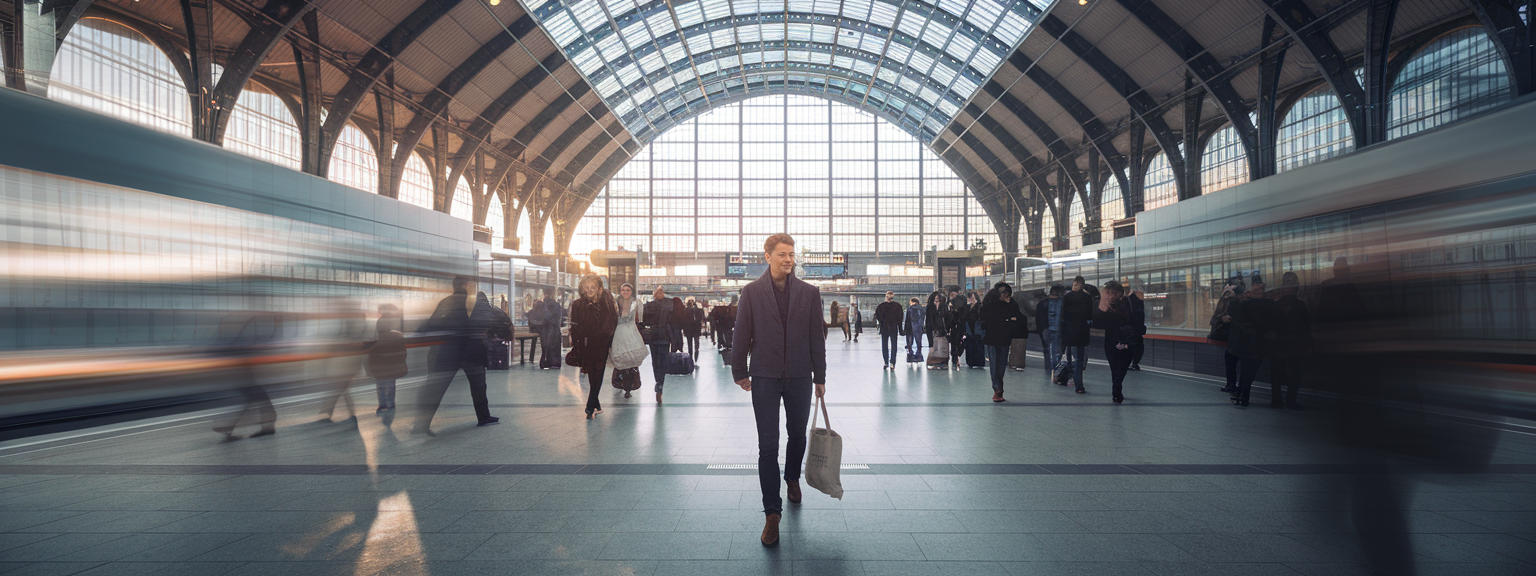
Decide if your project emphasizes candid photography, urban photography cityscapes, or portraiture. For example, a brief might read: “Document morning commuter micro-expressions at the main station.” This clarity reduces decision fatigue while shooting, and it improves the consistency of your series.
Step 2 — Scout Locations and Timing
Use maps, local event listings, and social media to identify productive locations. Golden hour yields warm tones for portraits, while blue hour reveals neon and reflections for moody urban photography. In addition, monitor transit hubs, markets, and alleys where candid shots and street portraits emerge naturally.
Step 3 — Gear and Preparation
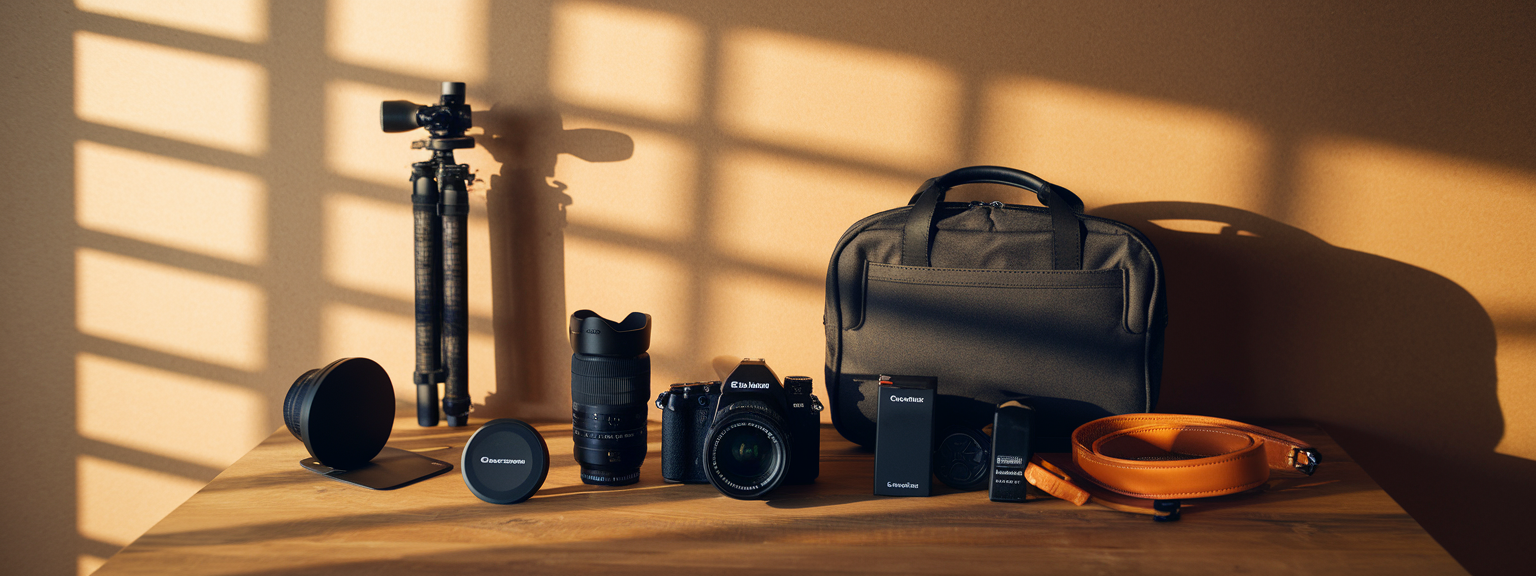
Choose gear that supports discretion and speed. A compact mirrorless camera with a 35mm or 50mm prime simplifies framing and encourages creative movement. Pack spare batteries, memory cards, and a small microfiber cloth. If you plan commercial use for portraits, prepare model release forms in print or digital format.
Step 4 — Camera Settings and Focus Strategy
Shoot RAW to preserve latitude in post. Set aperture based on intent: f/5.6–f/8 for general depth, f/1.8–f/2.8 for separation in portraits. Use shutter speeds of 1/250s or faster to freeze movement; slow to 1/15–1/30s for intentional blur. Employ zone-focusing in crowded scenes and back-button focus when subjects move unpredictably.
Step 5 — Composition and Moment Selection
Prioritize layers, leading lines, and the decisive moment. Anticipate gestures and expressions; move laterally to change the relationship between subject and background. For a stronger narrative, pair wide establishing frames with close, intimate details to show context and emotion.
Step 6 — Ethics and Legal Considerations
Respect subjects and local law. In many jurisdictions photographing in public is permitted, but model releases are required for commercial use. Avoid exploiting vulnerable people. If a subject denies consent, accept that decision and move on. As a result, your practice will remain professionally sustainable and ethically sound.
Step 7 — Post-Processing Workflow
Import and cull ruthlessly. Use Lightroom or Capture One for exposure, contrast, and white balance control. Decide whether color or black & white better serves the narrative. Apply subtle dodging and burning to guide the eye, and use noise reduction or sharpening according to final output—web or print.
Step 8 — Captioning, Tagging, and Publishing
Compose captions that contextualize who, where, and why. Include keywords such as street photography, urban photography, candid photography, cityscapes, and documentary photography in captions and alt text for SEO. Finally, publish across platforms and maintain backups in multiple locations.
📌 Practical Applications: Street Photography
Editorial and Photojournalism Uses
Street photography fuels editorial narratives. Newspapers and magazines commission documentary photography and photojournalism to illustrate urban stories. Therefore, when targeting editorial clients, prioritize context, captions, and verifiable location data.
Commercial and Stock Applications
Urban photography and candid photography sell well in stock libraries when images are tagged precisely. For commercial use of street portraits, obtain model releases. Brands often seek authentic, unscripted urban imagery, so maintain a portfolio that demonstrates both style and legal readiness.
Fine Art, Exhibitions, and Zines
Curate projects with a consistent theme—gentrification, nocturnal workers, or transit life. Use cohesive grading and sequencing to create an exhibition-ready body of work. In addition, limited-edition prints and zines offer monetization and outreach opportunities.
Community, Advocacy, and Long-Term Projects
Street photography can document social issues and inform advocacy. When combining images with research, your series can support local policy efforts or fundraising. Long-term commitments—photographing the same neighborhood over years—reveal change and deepen storytelling.
What project would you begin this week to explore urban photography and candid shots in your city?
These practical applications show the breadth of street photography. From editorial photojournalism to fine-art prints, your work can serve multiple audiences. Moreover, choosing a clear application early shapes how you shoot, edit, and license images.
💡 Tips & Tricks: Street Photography
Camera and Lens Strategy
- Travel light: one body and one prime force decisiveness.
- Use 35mm for a natural perspective; 50mm for tighter portraits; 28mm for environmental context.
- Enable silent shutter or electronic shutter where possible to remain unobtrusive.
Compositional Advice
Look for layered scenes—foreground elements, a subject in midground, and background context. Use reflections, frames, and silhouettes to add visual interest. For example, a subject reflected in a shop window can convey double narratives that enrich documentary photography.
Interaction and Portrait Technique
Approach quickly and politely. Offer a brief introduction and state intended use. If someone accepts, shoot multiple frames and vary composition. If declined, acknowledge the refusal and move on. Respect ensures repeatable access to communities.
Lighting and Night Strategies
Use side-light for texture and neon for atmosphere. At night, increase ISO while balancing shutter speed to avoid blur. In addition, consider using a small off-camera flash sparingly to preserve natural ambiance for portraits.
Take one hour this week to practice zone focusing and silent shooting; your candid results will improve immediately.
Post-Processing and Cohesion
Choose a tonal or color cadence that suits your project and apply it consistently. Use subtle grain and local contrast to create a filmic feel. Also, keep edits true to the scene when presenting work as documentary photography.
📸 Sample Scenario
Objective and Setup
Objective: Produce a ten-image series documenting morning rush at a central transit hub. Gear: mirrorless body, 35mm f/1.8, spare battery, two memory cards. Time: 07:00–09:30 to capture rhythm and light changes.
Execution Timeline
- 06:45 — Observe patterns and set up vantage point for wide establishing shots.
- 07:00–08:00 — Move to ticket gates; use 35mm, f/2.8–f/5.6, 1/250s; capture candid interactions and gestures.
- 08:00–09:00 — Offer quick portraits; be concise and provide context for use.
- 09:00–09:30 — Finish with reflections and motion blur of departing trains to close the narrative.
Post-Shoot Curation
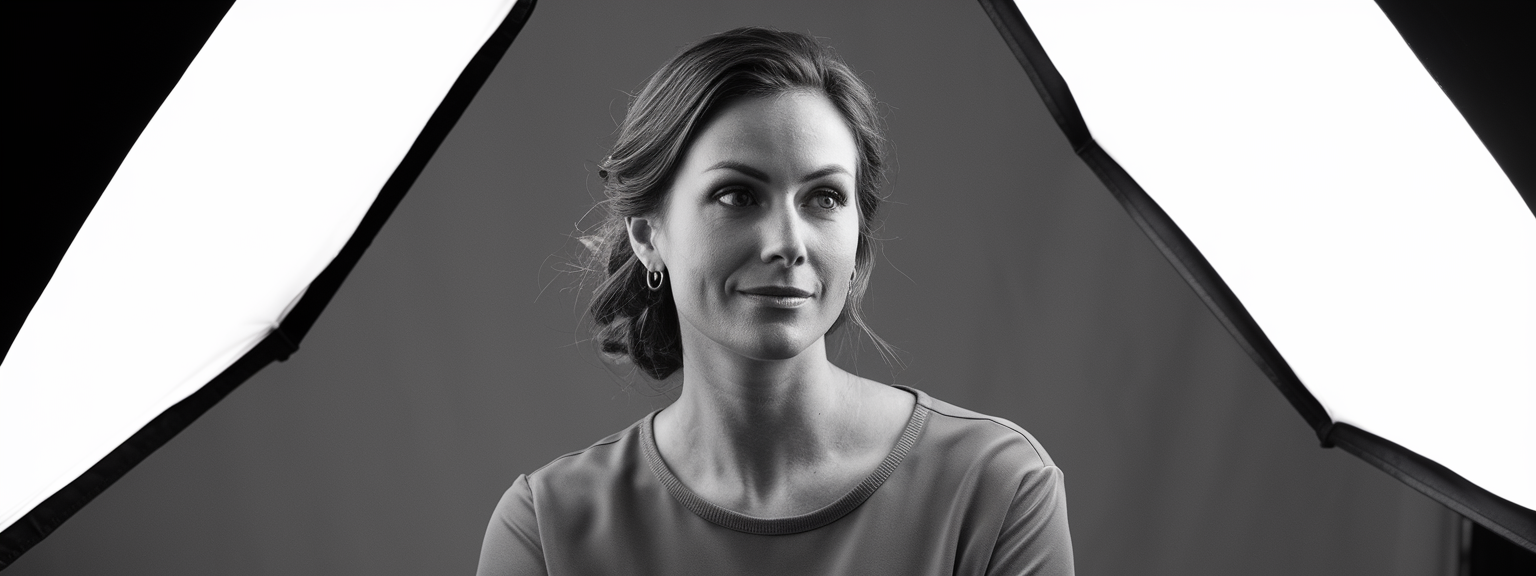
Cull to 40–60 keepers, then sequence ten images to show context → interaction → intimacy. Use mixed color and black & white intentionally: for example, retain color for signage and convert intimate portraits to monochrome for emotional weight.
✅ Key Do’s for Effective Usage
Legal and Ethical Best Practices
- Do research local laws before shooting in public and on transit property.
- Do obtain model releases for commercial usage; keep releases linked to filenames or metadata.
- Do prioritize dignity and consent when photographing vulnerable people.
Technical and Workflow Do’s
- Do shoot RAW and back up images to local and cloud storage.
- Do tag images using specific keywords: street photography, urban photography, candid photography, cityscapes, documentary photography.
- Do build a cohesive series rather than a scattershot portfolio; editors and galleries prefer consistency.
❌ Common Mistakes to Avoid
Over-Editing and Misrepresentation
Avoid over-processing that misrepresents the scene if you present the work as documentary photography. If significant alterations are applied, disclose them in captions so viewers and editors can assess the image context accurately.
Operational Mistakes
- Do not block pedestrian flow; remain mobile and courteous.
- Avoid random shooting without intent; use your brief to maintain focus.
- Do not forget releases for commercial use; secure them proactively.
🔄 Troubleshooting & FAQs
How can I remain inconspicuous while capturing candid shots?
Use a small camera and prime lens, shoot from the hip when appropriate, and apply zone focusing. Dress neutrally and keep camera low on a short strap. In addition, practice patience; often the best moments arrive when you wait.
What settings work best for night street photography and neon-lit scenes?
Use fast lenses (f/1.4–f/2.8), increase ISO judiciously, and maintain shutter speeds that prevent camera shake. For creative motion, use slower shutters on a stable stance or a monopod. Also, shoot RAW to correct white balance and recover highlight detail.
Should I use color or black & white?
Both have merit. Black & white emphasizes geometry, contrast, and emotional weight. Color communicates atmosphere, signage, and cultural context. Therefore, choose based on narrative intent and maintain consistency in a series.
How do I get model releases quickly on the street?
Carry printed releases or use a digital form with a QR code for signatures. Explain the intended use—editorial or commercial—and include contact details. Then attach the release to the file metadata or catalog record.
What are the best AI tools for productivity?
AI assists many parts of the workflow. Adobe Lightroom and Photoshop use AI masking and Enhance Details for selective edits. Topaz Labs offers DeNoise and Sharpen AI to restore high-ISO images. Auto-tagging tools speed keywording; however, always review automated tags for accuracy.
My images look flat — how do I restore depth?
Add local contrast through clarity or texture, and employ dodging and burning to separate subject from background. In addition, slightly adjust midtone contrast and apply subtle vignette to focus attention.
🖼️ Bringing It All Together
Project Planning and Execution
Synthesize planning, technical choices, and ethical practices into a repeatable workflow. For a coherent project, document your brief, shoot to that brief, and edit with the end-use—gallery, editorial, or stock—in mind. Consistency in grading and captioning improves your professional presentation.
Call to Action
Ready to produce your first cohesive street photography series? Plan one themed outing this month and publish a 10-image sequence with captions and keywords.
In summary, apply this structured approach to improve both the craft and the impact of your street photography. Start with a clear brief, select gear and settings that support discretion, respect legal and ethical boundaries, and edit with narrative coherence in mind. Over time, this discipline will yield stronger series, better licensing opportunities, and more meaningful engagement with audiences.

![[Sunrise over a mountain valley with wildflowers in the foreground — landscape photography showing golden-hour light and wide-angle composition.]](https://lenslesson.com/wp-content/uploads/2025/12/landscape-photography-breathtaking-sunrise-scene.png "[Breathtaking Landscape Photography Sunrise]")
![[Person at desk using laptop and notebook to level up your skills]](https://lenslesson.com/wp-content/uploads/2025/12/level-up-your-skills-planning-workspace.png "[Level Up Your Skills Workspace]")
![[Person journaling at a sunlit desk capturing daily creative inspiration with a notebook and coffee.]](https://lenslesson.com/wp-content/uploads/2025/12/daily-creative-inspiration-journaling-ideas.png "[Daily Creative Inspiration Journaling]")