
Action Shots: How to Capture Jaw-Dropping Sports Moments
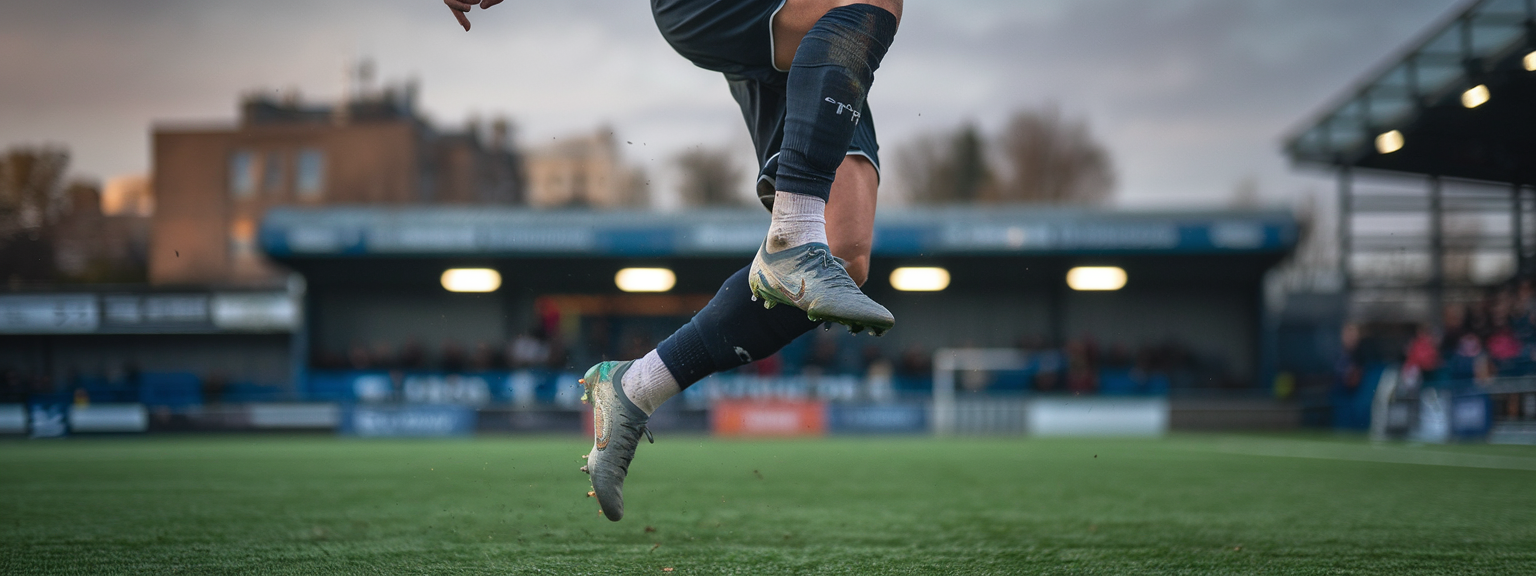
📝 Step-by-Step Guide: Action Shots For Sports Photography
Introduction
Action Shots are the most compelling frames in sports photography because they freeze the peak of motion and emotion. In this guide you will find practical sports photography tips and action photography techniques such as shutter speed choice, burst mode use, and panning methods to create dynamic images. Read on to learn a structured workflow from pre-event planning through post-processing so you can capture consistent, jaw-dropping Action Shots.
Step 1 — Pre-event planning
- Research the sport and venue. Study player movement patterns and likely hotspots (for example, penalty areas or launch ramps).
- Scout lighting and backgrounds. Note sun angle and potential clutter that can create distracting motion blur in the background.
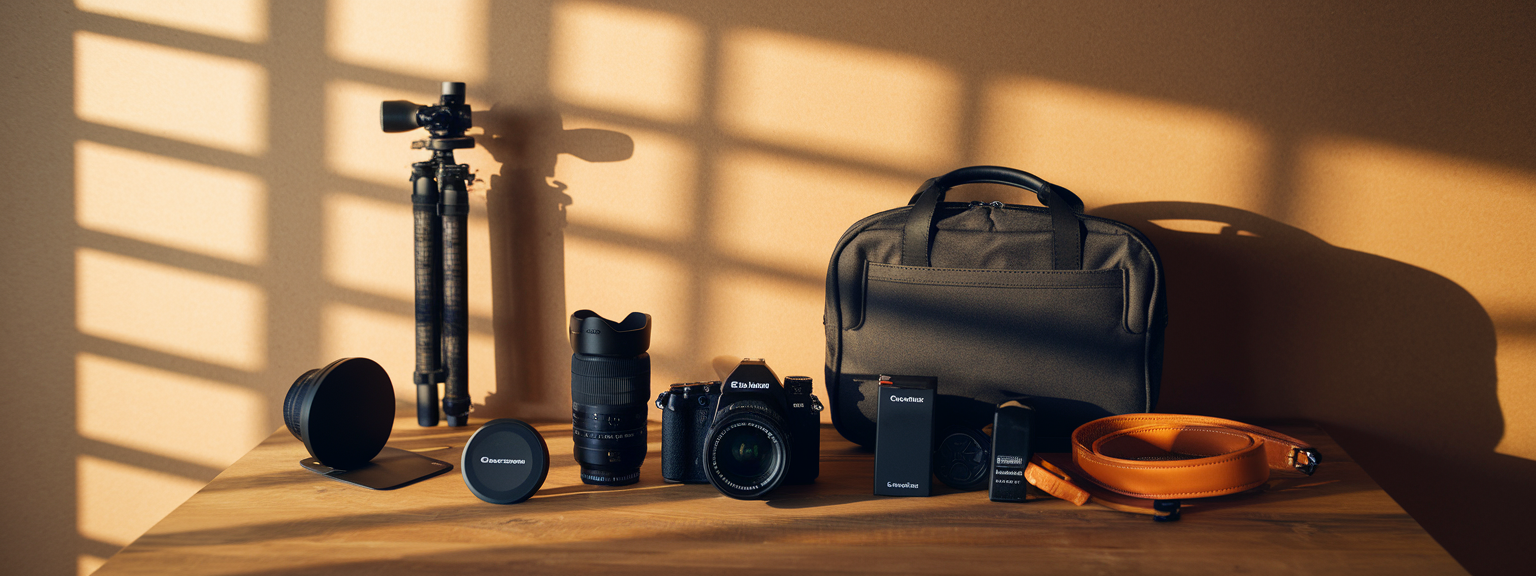
- Prepare gear: reliable body with high fps, telephoto lens such as a 70–200mm f/2.8 or longer, fast UHS-II cards, spare batteries, monopod or gimbal head, and rain protection.
Step 2 — Camera and exposure setup
Begin in Shutter Priority (Tv/S) to control freeze versus motion blur. For full control, switch to Manual with Auto-ISO. Use continuous AF (AF‑C / AI‑Servo) and enable back‑button AF to decouple focus from shutter release.
Shutter speed, aperture and ISO guidelines
- Shutter speed: freeze very fast action at 1/1000–1/2000s; general field sports at 1/500–1/1000s; for creative panning use 1/30–1/125s.
- Aperture: f/2.8–f/4 for subject separation; f/5.6–f/8 when depth is needed for multiple athletes.
- ISO: use Auto‑ISO with a conservative cap (for example 3200–12800 depending on camera). Set a minimum shutter speed target to avoid unintended motion blur.
Step 3 — Positioning and composition
Positioning is decisive. Anticipate movement, give lead room so subjects have space in the frame, and shoot low for dramatic perspective. Use a telephoto lens to frame tightly and emphasize emotion and power.
Step 4 — Execution: shooting techniques
- Pre-focus on hotspots and keep your finger ready on the back-button AF. This increases keep-rate when you fire bursts.
- Use short bursts during predictable peak action. For unpredictable moments, compress longer bursts to the decisive sequence and manage your camera’s buffer.
- Panning: follow the subject smoothly, match speed, and release while in motion to get a sharp subject with motion blur background.
Step 5 — Review and adjust
Check focus and highlights frequently. Adjust exposure compensation if histograms show clipping. Move positions between plays to find cleaner backgrounds or better light angles.
Step 6 — Post-processing workflow
- Process RAW: correct exposure, recover highlights, fine-tune white balance, and apply selective sharpening while protecting smooth areas like skies and skin.
- Noise reduction: apply selectively for high ISO frames. AI tools such as Topaz DeNoise can be effective when used conservatively.
- Export: use JPEG 100 for print. For web, export sRGB with a 2048–3000 px long edge. Include descriptive metadata and keyword-rich captions for SEO.
📌 Practical Applications: Action Shots In Game Coverage And Sports Media
Sport-specific techniques
Action Shots require slightly different tactics per sport. For example, soccer benefits from 1/800–1/1600s to freeze kicks, while basketball often needs 1/500–1/1000s under indoor lights. Motorsport uses very fast shutter speeds for freeze frames, but 1/60–1/125s for panning to show speed.
How to adapt your workflow depending on venue
- Small fields: choose tight compositions and low angles to isolate action and include sky or crowd as a clean backdrop.
- Large stadiums: use 300–400mm telephoto lens to reach the play; add teleconverters only when AF reliability remains acceptable.
- Indoor arenas: accept higher ISO and prioritize shutter speed over noise. In addition, white balance should be set manually when lights are mixed.
Practical social and editorial uses
Use burst mode sequences to craft short autoplay loops for social media. For match coverage, submit a sequence showing build-up, impact, and reaction. Editorial assignments often require a mix of freeze frames and panning images to tell a fuller story.
💡 Tips & Tricks: Action Shots Camera Settings And Techniques
Core pro tips
- Back-button AF: decouple focus from shutter to prevent hunting during burst mode. This drastically improves hit rate.
- Auto-ISO with minimum shutter: set a floor on shutter speed to avoid accidental motion blur while letting ISO change automatically.
- Understand your buffer: test sustained fps with your fastest cards to determine realistic burst lengths.
Technical shortcuts and creative methods
- Panning mode on stabilized lenses can help produce a smooth motion blur background while keeping the subject sharp.
- Use wider apertures to isolate subjects with a shallow depth of field, but be cautious at long focal lengths because depth decreases rapidly.
- Bracket exposures or use ETTR (expose to the right moderately) in low light to reduce noise in shadows during RAW development.
- Keep spare lenses and a monopod to change focal length and reduce fatigue during long assignments; a gimbal head aids heavy telephoto balance.
📸 Sample Scenario
High School Soccer — Overcast Day, Tight Field
Situation: small field, flat light, tight sidelines. Objective: capture the decisive goal and celebration. Use a full-frame body with strong high-ISO performance and a 70–200mm f/2.8 as the primary telephoto lens.
Recommended settings
- Mode: Manual with Auto-ISO, capped at ISO 6400.
- Shutter: 1/1000s to freeze sprinting and ball contact.
- Aperture: f/2.8 for subject separation while maintaining enough depth at 200mm.
- AF: AF‑C with zone tracking; back‑button AF on short bursts.
Shooting sequence
Arrive early to map hotspots. Choose a lower corner position near the sideline to isolate the sky as background. Pre-focus near the penalty arc and switch to short bursts as the play approaches. Keep shooting through the strike, the goalkeeper reaction, the ball crossing the line, and the celebration to ensure you capture emotion.
✅ Key Do’s for Effective Usage
- Do use continuous AF (AF-C/AI‑Servo) with a suitable AF area like zone or 3D tracking.
- Do set Auto‑ISO with a realistic maximum to balance noise and shutter speed needs.
- Do practice panning and burst timing in non-critical settings to build muscle memory.
- Do review images on-site for focus and exposure, and adjust to changing light conditions.
❌ Common Mistakes to Avoid
Frequent errors and fixes
- Mistake: too slow shutter speed. Fix: set a minimum shutter in Auto‑ISO or switch to Manual and increase shutter speed.
- Mistake: relying on single-point AF for erratic subjects. Fix: use zone or 3D tracking for dynamic play.
- Mistake: buffer fill during long bursts. Fix: shorten bursts, use faster cards, or reduce fps to a sustainable rate.
🔄 Troubleshooting & FAQs
Troubleshooting common problems
Problem: images are soft or out of focus. Check AF mode, increase shutter speed, verify lens calibration, and use a monopod. If motion blur occurs when you expected a freeze, raise shutter speed and ISO, and open the aperture if necessary.
Voice-search friendly FAQs
- Q: What shutter speed do I use to capture fast sports?
A: Start between 1/500s and 1/1000s. Increase to 1/1000–1/2000s for very fast action like motorsport or sprints. - Q: What are the best lenses for action shots?
A: A 70–200mm f/2.8 is the most versatile. For distance, use 300–400mm f/2.8 or f/4; a 24–70mm f/2.8 is good for near-field context shots. - Q: How do I set up autofocus for action photography?
A: Use AF‑C, back‑button AF, and a tracking AF area such as zone or 3D tracking. Adjust AF sensitivity and test with the specific sport. - Q: How do I do panning correctly?
A: Use shutter speeds around 1/30–1/125s, match subject speed, follow through, and release while moving. A monopod helps keep a smooth arc. - Q: How do I handle low-light indoor sports?
A: Open aperture, raise ISO (within acceptable noise), and prioritize shutter speed. Use noise reduction in post and consider high-ISO capable bodies. - Q: What are the best AI tools for productivity?
A: Adobe Lightroom/Photoshop (Sensei) for masking and adjustments; Topaz DeNoise and Sharpen AI for low-light cleanup; DxO PureRaw for RAW denoise and optical corrections; Luminar Neo for creative edits. These AI tools accelerate post-processing workflows and improve image quality.
🖼️ Bringing It All Together
Checklist for consistent Action Shots
- Research and scout the venue ahead of time.
- Set camera to RAW, enable Auto‑ISO with cap, and assign back‑button AF.
- Choose shutter speeds according to desired freeze or panning motion blur results.
- Use burst mode strategically and manage buffer to avoid missed plays.
Action Shots combine anticipation, camera control, and decisive composition. Therefore, practice these techniques in low‑stakes environments and apply them in live coverage. As a result, your sports photography will become more reliable and visually compelling. Use burst mode, master shutter speed choices, and practice panning to create a body of work that editors and fans notice.
![[Photographer capturing a candid moment on a busy city sidewalk — street photography scene]](https://lenslesson.com/wp-content/uploads/2025/12/street-photography-candid-urban-moment.png "[Urban Street Photography Moment]")
![[Sunrise over a mountain valley with wildflowers in the foreground — landscape photography showing golden-hour light and wide-angle composition.]](https://lenslesson.com/wp-content/uploads/2025/12/landscape-photography-breathtaking-sunrise-scene.png "[Breathtaking Landscape Photography Sunrise]")
![[Person at desk using laptop and notebook to level up your skills]](https://lenslesson.com/wp-content/uploads/2025/12/level-up-your-skills-planning-workspace.png "[Level Up Your Skills Workspace]")
![[Person journaling at a sunlit desk capturing daily creative inspiration with a notebook and coffee.]](https://lenslesson.com/wp-content/uploads/2025/12/daily-creative-inspiration-journaling-ideas.png "[Daily Creative Inspiration Journaling]")