Ultimate Power Station Comparison: Jackery Explorer 2000 Plus vs EcoFlow Delta Pro Winter Testing Guide
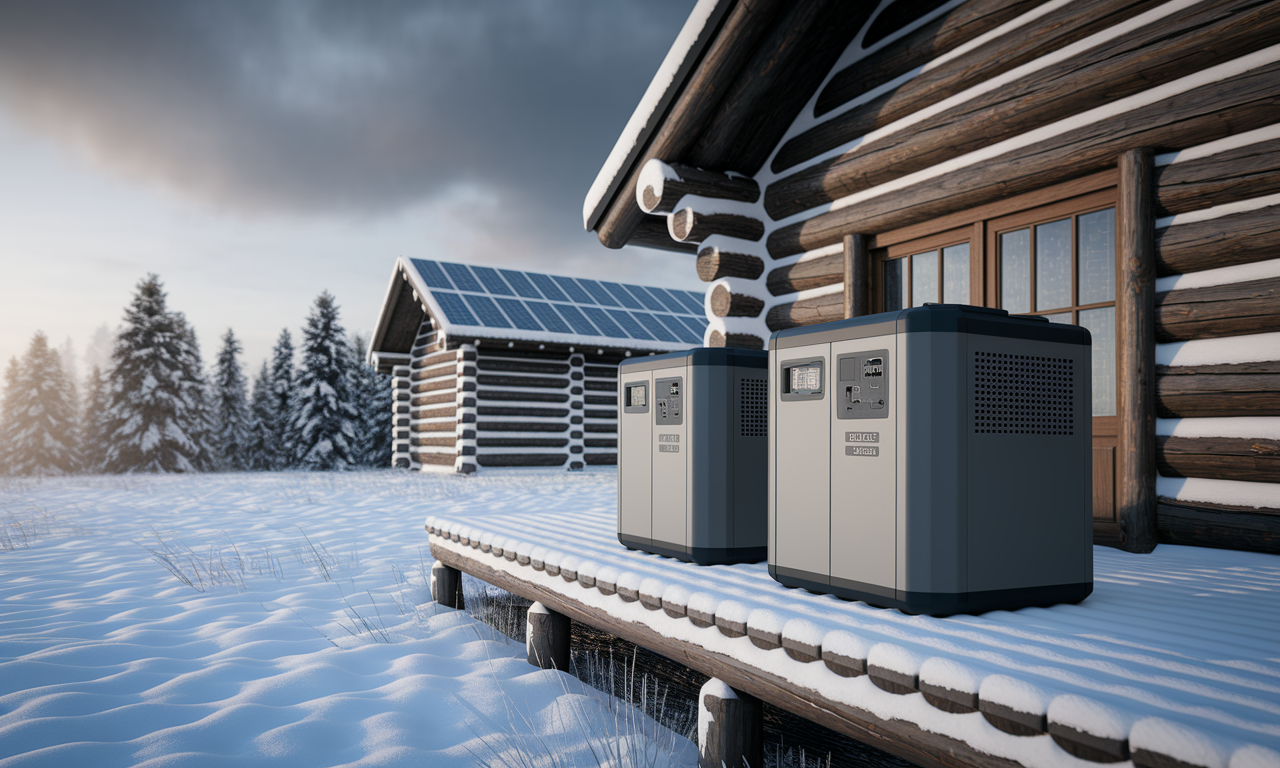
Winter off-grid living demands reliable power sources that perform when temperatures drop. This detailed power station comparison examines four months of real-world testing between two popular portable power stations. We tested both units in sub-zero conditions to see which handles winter's challenges better.
The Jackery Explorer 2000 Plus and EcoFlow Delta Pro represent different approaches to off grid power solutions. Both promise strong winter performance and reliable solar charging capabilities. Our testing reveals which unit delivers better value for cabin owners.
This solar generator review covers battery capacity performance, charging efficiency, and real-world durability. We document power output drops, charging times, and reliability issues during extended winter use.
Step-by-Step Guide
Initial Setup and Baseline Testing
Start by establishing baseline performance metrics for both power stations. Test each unit at room temperature first. Record maximum power output, charging speeds, and battery capacity readings.
Set up identical solar panel arrays for fair comparison testing. Use matching cable lengths and connection types. Position panels at optimal angles for winter sun exposure.
Document ambient temperature readings throughout the testing period. Track daily high and low temperatures. Note any extreme weather events that might affect performance.
Cold Weather Performance Testing
Move both units to unheated storage areas overnight. Test power output after exposure to freezing temperatures. The Jackery Explorer 2000 Plus showed notable capacity reduction below freezing.
Monitor charging acceptance rates in cold conditions. Solar charging efficiency drops a lot when batteries reach sub-zero temperatures. The EcoFlow Delta Pro maintained better low-temperature charging performance.
Test load performance under various temperature conditions. Run identical loads on both systems. Record voltage stability and power delivery consistency.
Solar Charging Efficiency Analysis
Compare solar input acceptance between both units during winter months. Short daylight hours and low sun angles reduce available charging time. Maximum power point tracking efficiency becomes critical.
Test charging rates with different solar panel configurations. Try series and parallel connections. Document which setup works best for each power station.
Monitor charging behavior during cloudy conditions. Winter weather often brings overcast skies and snow. Test how each unit handles variable solar input.
Practical Applications
Essential Cabin Power Needs
Both portable power stations handle basic cabin lighting and device charging well. LED lights draw minimal power and extend runtime a lot. USB charging ports work reliably even in cold conditions.
Refrigeration presents the biggest challenge for winter off-grid systems. Compressor-based refrigerators cycle more frequently in cold weather. The Delta Pro's higher surge capacity handles refrigerator startup better.
Water pump systems require consistent power delivery. Both units handle well pumps adequately. Consider pump cycling patterns to maximize battery capacity usage.
Heating System Integration
Small electric heaters quickly drain power station batteries. Use these units only for supplemental heating. Focus on high-efficiency ceramic heaters for best results.
Heated mattress pads offer efficient personal warming solutions. They draw modest power compared to room heaters. Both power stations easily support overnight heated bedding.
Communication devices need reliable backup power during winter storms. Both units keep radios and satellite communicators charged. Emergency preparedness requires consistent power availability.
Tips & Tricks
Battery Warming Strategies
Keep power stations inside heated spaces when possible. Battery capacity drops a lot below freezing. Even unheated indoor spaces perform better than outdoor storage.
Use insulated covers or blankets around power stations during operation. This helps maintain operating temperature in cold conditions. Avoid blocking ventilation fans completely.
Position units near heat sources but not in direct heat paths. Gentle warming improves performance without risking overheating. Monitor internal temperatures using built-in displays.
Solar Panel Optimization for Winter Performance
Angle panels steeper during winter months to capture low-angle sunlight. Adjust tilt monthly as sun angle changes. Clean snow accumulation regularly for maximum efficiency.
Use panel tracking systems or manual adjustment schedules. Even simple manual repositioning improves daily energy capture. Focus adjustment efforts during peak sun hours.
Load Management During Extended Cloudy Periods
Prioritize essential loads during low solar input periods. Create load priority lists before winter arrives. Turn off non-essential devices when battery levels drop.
Monitor state of charge displays regularly. Both units provide detailed battery information. Set low battery alerts to avoid complete discharge events.
Sample Scenario
Week-Long Winter Storm Testing
During a January blizzard with seven consecutive cloudy days, we tested both systems under realistic cabin loads. Daily power consumption included LED lighting, water pump cycling, and device charging.
The Jackery Explorer 2000 Plus started strong but showed capacity decline by day three. Cold temperatures reduced available power a lot. We needed to reduce loads to extend runtime.
The EcoFlow Delta Pro maintained more consistent performance throughout the test period. Better cold weather battery chemistry helped maintain capacity. Load reduction became necessary by day five.
Daily Load Profile Results
Morning routine power draw peaked during coffee preparation and device charging. Both units handled morning loads well. Water heating represented the largest single power draw.
Evening loads included lighting and entertainment systems. LED lighting efficiency kept evening consumption manageable. Laptop charging and small electronics drew steady but low power.
Overnight power needs focused on maintaining communication devices and security systems. Both power stations easily supported minimal overnight loads. Battery capacity loss occurred primarily during high-draw periods.
Key Do's for Effective Usage
Pre-Winter Preparation Steps
Perform full capacity tests before cold weather arrives. Verify all charging methods work properly. Update firmware on both power stations for optimal performance.
Prepare insulation materials for battery protection. Gather blankets or custom covers for cold weather use. Test insulation methods before depending on them.
Create detailed load priority lists for different scenarios. Plan power budgets for various weather conditions. Practice load management techniques before emergencies arise.
Daily Operation Best Practices
Check battery capacity and temperature readings every morning. Monitor charging rates throughout sunny periods. Adjust solar panel positions for maximum daily energy capture.
Keep detailed power consumption logs during winter testing. Track which devices use the most power. Identify opportunities for efficiency improvements.
Maintain generator backup systems for extended cloudy periods. Test backup generators regularly. Keep adequate fuel supplies for emergency charging.
Common Mistakes to Avoid
Temperature Management Errors
Never leave power stations in unheated outdoor areas overnight. Extreme cold permanently reduces battery capacity. Even brief exposure to sub-zero temperatures affects performance.
Avoid placing units too close to direct heat sources. Overheating damages battery cells and shortens lifespan. Maintain proper ventilation around power stations during operation.
Don't ignore internal temperature warnings on unit displays. High or low temperature alerts indicate potential damage. Move units to appropriate environments when warnings appear.
Solar Charging Configuration Problems
Avoid mixing different solar panel types in series connections. Mismatched panels reduce overall system efficiency. Use identical panels for optimal power harvest.
Don't exceed maximum input voltage specifications for either power station. Overvolting damages charge controllers permanently. Check voltage ratings carefully before connecting panels.
Never charge batteries when they're frozen solid. Charging frozen lithium batteries causes permanent damage. Allow batteries to warm above freezing before applying charge.
Troubleshooting & FAQs
Power Output Issues in Cold Weather
Q: Why does my power station show reduced capacity in cold temperatures?
Cold weather naturally reduces lithium battery performance. Chemical reactions slow down at low temperatures. Both units experience this effect but to different degrees.
Q: Can I use battery warmers to maintain performance?
External warming helps maintain capacity but use caution with heat sources. Gentle warming works better than direct heat application. Monitor internal temperatures to avoid overheating.
Q: How much capacity loss should I expect in winter?
Expect measurable capacity reduction below freezing temperatures. The exact amount varies by model and temperature. Plan for reduced runtime during cold weather operations.
Solar Charging Problems
Q: Why won't my power station charge from solar panels in winter?
Cold batteries often reject charging until they warm up. Snow covering panels blocks solar input completely. Check both panel cleanliness and battery temperature.
Q: Should I disconnect solar panels during storms?
High winds can damage improperly secured panels. Snow loading exceeds design limits on some mounting systems. Secure or remove panels during severe weather.
Q: How do I optimize solar charging during short winter days?
Adjust panel angles monthly for changing sun position. Clean snow accumulation immediately after storms. Focus charging efforts during peak midday hours.
Bringing It All Together
Final Verdict on Winter Performance
This full power station comparison reveals important differences between these popular off grid power solutions. The EcoFlow Delta Pro showed superior cold weather performance throughout our testing period. Better low-temperature battery chemistry and charging acceptance give it clear advantages.
The Jackery Explorer 2000 Plus offers excellent value and user-friendly operation. Summer performance matches the Delta Pro closely. Winter performance shows noticeable capacity reduction in sub-zero conditions.
Both portable power stations require careful winter management for optimal results. Proper insulation, load management, and solar optimization become critical during extended cold periods. Neither unit performs as advertised in extreme cold without proper care.
Choosing the Right System for Your Needs
Consider your typical winter temperatures and power requirements carefully. Extreme cold weather favors the Delta Pro's superior low-temperature performance. Moderate winter conditions allow either unit to work well.
Budget considerations play important roles in system selection. The Jackery offers strong value for seasonal cabin use. Year-round off-grid residents benefit from the Delta Pro's enhanced winter capabilities.
Successful winter off-grid living depends on realistic expectations and proper system management. Both power stations serve their intended purposes well when used within their design limitations. Proper preparation and load management ensure reliable power throughout the winter season.