Master Subject Isolation: Using Selective Focus and Contrast in Urban Photography
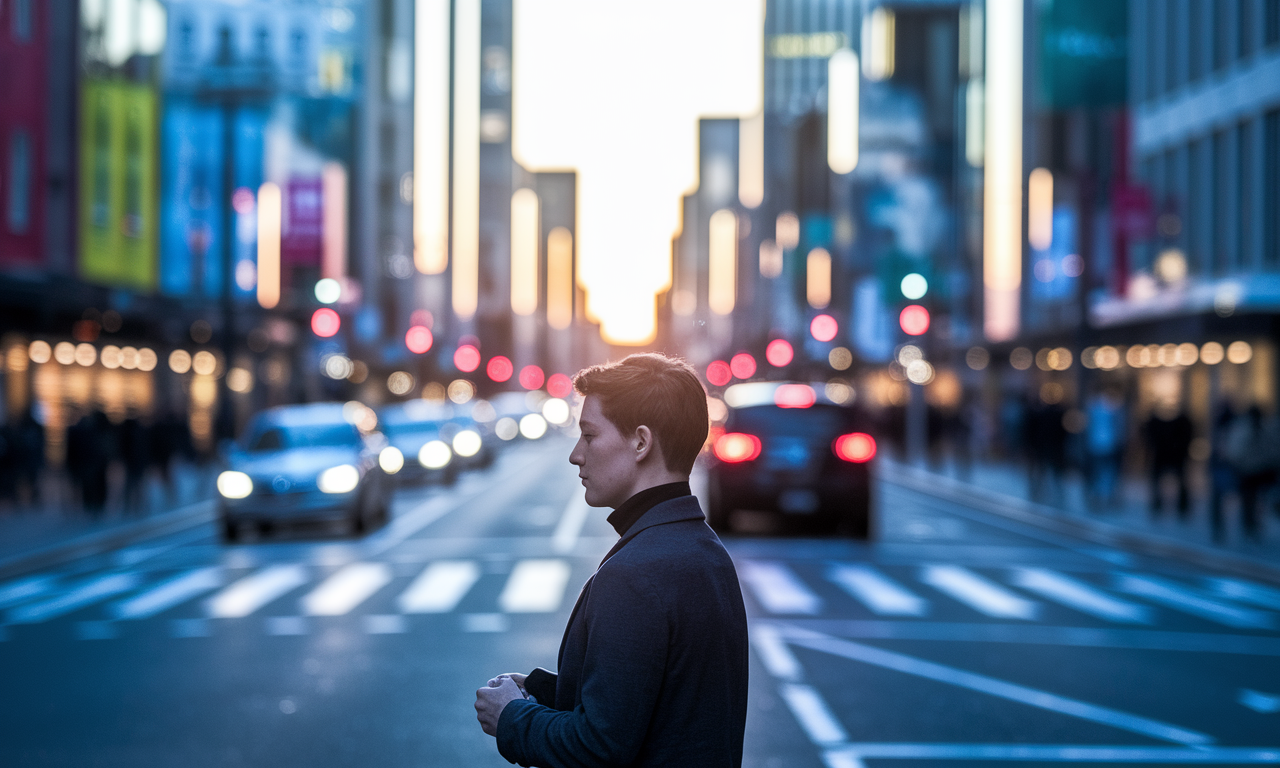
Urban environments present unique challenges for photographers. Busy streets, crowded backgrounds, and visual clutter can overwhelm your main subject. Subject isolation techniques help you cut through this chaos. These methods create stunning images that make your subject pop against even the busiest city backdrop.
Selective focus photography transforms ordinary urban scenes into extraordinary visual stories. You control what viewers see first and how their eyes move through your image. This powerful technique separates amateur snapshots from professional-quality photographs.
Modern cameras offer incredible depth of field control. Combined with smart positioning and contrast techniques, you can isolate any subject effectively. Whether shooting street portraits or architectural details, these methods work every time.
Step-by-Step Guide
Camera Settings for Subject Isolation
Start with aperture priority mode for full depth control. Set your aperture to f/1.4 or f/2.8 for maximum background blur. Wide apertures create shallow depth of field that naturally separates subjects from backgrounds.
Use the longest focal length available on your lens. Telephoto lenses compress distance and enhance the bokeh effect. A 85mm or 135mm lens works perfectly for urban portrait isolation.
Switch to single-point autofocus for precise control. Place your focus point exactly on your subject's eyes or key feature. This ensures sharp foreground sharpness while maintaining background blur.
Distance and Positioning Techniques
Position yourself close to your subject while keeping distance from the background. This physical separation increases the bokeh effect naturally. Even small movements can dramatically change your isolation results.
Look for natural depth layers in urban environments. Use doorways, alleys, or architectural elements to create multiple visual planes. These layers add dimension and enhance subject separation.
Change your shooting angle to control what appears behind your subject. Move left, right, up, or down to find cleaner background areas. Sometimes a small adjustment eliminates distracting elements completely.
Light and Contrast Control
Seek directional light that illuminates your subject differently from the background. Side lighting or backlighting creates natural separation through contrast. Window light or street lamps work perfectly for this purpose.
Use reflectors or fill flash to brighten your subject against darker backgrounds. This technique works especially well during golden hour or blue hour shooting. The light difference makes your subject stand out dramatically.
Watch for color contrast opportunities in urban settings. Place warm-toned subjects against cool blue backgrounds or vice versa. These complementary colors create instant visual separation without relying solely on focus.
Practical Applications
Street Portrait Photography
Urban photography techniques shine brightest in street portraiture. Position your subject against busy storefronts or crowded sidewalks. Use f/1.8 to f/2.8 aperture settings to blur the chaos while keeping faces sharp.
Time your shots during rush hour for maximum background activity. Moving people create interesting blur patterns that add energy without distraction. This technique transforms mundane locations into dynamic backdrops.
Look for color coordination between subject clothing and background elements. A red jacket against green foliage or blue walls creates instant visual pop. These color relationships strengthen subject isolation naturally.
Architectural Detail Focus
Isolate specific architectural elements using selective focus photography methods. Focus on door handles, window details, or decorative elements while blurring surrounding structures. This approach reveals hidden beauty in everyday urban features.
Use macro lenses for extreme close-up isolation shots. Focus on textures like brick patterns, metal surfaces, or painted details. The shallow depth of field tips help transform ordinary surfaces into abstract art.
Practice these techniques during different times of day for varied results. Morning light creates different isolation opportunities than evening shadows. Each lighting condition offers unique possibilities for subject separation.
Tips & Tricks
Advanced Focus Techniques
Use focus peaking features on modern cameras for precise control. This technology highlights sharp areas in real-time through your viewfinder. You can see exactly what will be in focus before taking the shot.
Try focus stacking for subjects that need more depth than single shots allow. Take multiple images at different focus points and blend them in post-processing. This technique maintains subject sharpness while preserving background blur.
Manual focus often works better than autofocus in complex urban scenes. Pre-focus on your subject distance and wait for the right moment. This prevents focus hunting in challenging lighting conditions.
Creative Background Management
Use reflective surfaces like windows or puddles to create interesting background textures. These surfaces blur into abstract patterns while maintaining visual interest. Water reflections work especially well during blue hour photography.
Position lights sources in your background for beautiful bokeh circles. Street lamps, neon signs, and car headlights create magical light points. This effect adds professional polish to urban isolation shots.
Equipment Optimization
Fast prime lenses offer the best subject isolation capabilities. 50mm f/1.4 or 85mm f/1.8 lenses provide excellent value and performance. These focal lengths work perfectly for urban photography applications.
Consider lens compression effects when choosing focal lengths. Longer lenses compress perspective and enhance background blur naturally. Shorter lenses require closer positioning but offer wider environmental context.
Sample Scenario
Picture this common urban photography challenge. You want to photograph a street musician during evening rush hour. Crowds, traffic, and neon signs create overwhelming visual noise around your subject.
Start by positioning yourself about ten feet from the musician using an 85mm lens. Set your aperture to f/2.0 for shallow depth of field. The busy crowd behind becomes a soft blur of movement and color.
Wait for a moment when street lighting illuminates the musician's face. The contrast between the lit subject and darker background creates natural separation. Moving pedestrians add motion blur that enhances rather than distracts.
Focus precisely on the musician's hands or instrument for maximum impact. The shallow depth keeps these key elements sharp while everything else melts away. This technique transforms chaos into a compelling artistic statement.
The result showcases perfect subject isolation despite the challenging environment. Your viewer immediately connects with the musician's story without distraction. This demonstrates the true power of selective focus in urban settings.
Key Do's for Effective Usage
Essential Shooting Practices
- Always check your background before shooting the frame
- Use the widest aperture your lens allows for maximum blur
- Position yourself to maximize distance between subject and background
- Focus on the most important element of your subject
- Look for natural light that separates subject from surroundings
Technical Execution Tips
- Use single-point autofocus for precise control over sharp areas
- Switch to manual focus in challenging lighting situations
- Take multiple shots with slightly different focus points
- Adjust ISO to maintain fast shutter speeds when needed
- Review images on camera LCD to verify focus accuracy
Creative Enhancement Methods
- Look for color contrasts between subject and background elements
- Use architectural features to frame your isolated subject
- Incorporate leading lines that guide eyes toward your subject
- Time shots during golden hour for natural warm light
- Experiment with different shooting heights for varied perspectives
Common Mistakes to Avoid
Focus and Depth Errors
Never use the widest aperture without considering depth requirements. Some subjects need more than paper-thin focus to remain recognizable. Start with f/2.8 and adjust based on your specific subject needs.
Avoid focusing on the wrong part of your subject. Eyes should be sharp in portraits, while key details matter most in object photography. Missed focus ruins even the best composition and lighting.
Don't ignore camera shake at wide apertures. Fast shutter speeds become more critical when using shallow depth of field. Use proper hand-holding techniques or consider tripod support when needed.
Composition and Background Issues
Resist the urge to blur everything excessively. Some background context helps viewers understand the urban environment. Balance isolation with environmental storytelling for stronger images.
Avoid distracting elements that pierce through your depth of field. Bright lights, strong lines, or contrasting colors can draw attention even when blurred. Move position to eliminate these problem elements.
Don't position your subject too close to busy backgrounds. Insufficient separation reduces the bokeh effect significantly. Create physical distance whenever possible for better isolation results.
Technical Settings Problems
Never rely solely on autofocus in complex urban environments. Mixed lighting and multiple subjects confuse autofocus systems regularly. Learn to switch between auto and manual focus modes quickly.
Avoid using center-weighted or matrix metering with high contrast scenes. Spot metering on your subject ensures proper exposure for the most important element. This prevents under or overexposed isolation subjects.
Troubleshooting & FAQs
Focus Issues and Solutions
Q: My autofocus keeps hunting in low light conditions.
A: Switch to manual focus and use focus peaking or magnification features. Pre-focus on your estimated subject distance and make fine adjustments as needed.
Q: The background isn't blurry enough even at f/1.4.
A: Increase the distance between subject and background. Move closer to your subject or use a longer focal length lens for enhanced compression effects.
Q: My subject looks soft even when focus appears correct.
A: Check for camera shake caused by slow shutter speeds. Use the reciprocal rule or faster speeds when shooting handheld with telephoto lenses.
Exposure and Lighting Challenges
Q: My subject is too dark against bright urban backgrounds.
A: Use exposure compensation or spot metering on your subject. Fill flash or reflectors can also balance the exposure difference effectively.
Q: Neon signs create ugly color casts on my subject.
A: Adjust white balance manually or use custom white balance settings. Position your subject to minimize direct colored light influence.
Q: How do I handle mixed lighting in urban environments?
A: Shoot in RAW format for maximum post-processing flexibility. Use graduated filters or HDR techniques for extreme contrast situations.
Equipment and Technical Questions
Q: Can I achieve good subject isolation with kit lenses?
A: Yes, but results improve significantly with fast prime lenses. Use the longest focal length and widest aperture available on your current lens.
Q: What's the best focal length for urban portrait isolation?
A: 85mm to 135mm lenses provide excellent compression and natural perspective. 50mm works well in tight spaces with proper positioning.
Bringing It All Together
Subject isolation transforms challenging urban environments into photography opportunities. These techniques work regardless of your camera type or experience level. The key lies in understanding depth of field relationships and practicing consistently.
Start with simple subjects and gradually tackle more complex urban scenes. Each shooting session builds your understanding of light, distance, and focus control. Soon these techniques become second nature in your photography workflow.
Remember that perfect subject isolation combines technical knowledge with creative vision. Use wide apertures and careful positioning as tools to tell better visual stories. The goal is always to guide your viewer's attention to what matters most.
Urban photography rewards photographers who master subject isolation fundamentals. These skills open up endless creative possibilities in city environments. Every street corner becomes a potential location for compelling isolated subjects when you understand these principles.